
|
AN EXAMPLE OF ART TEACHING
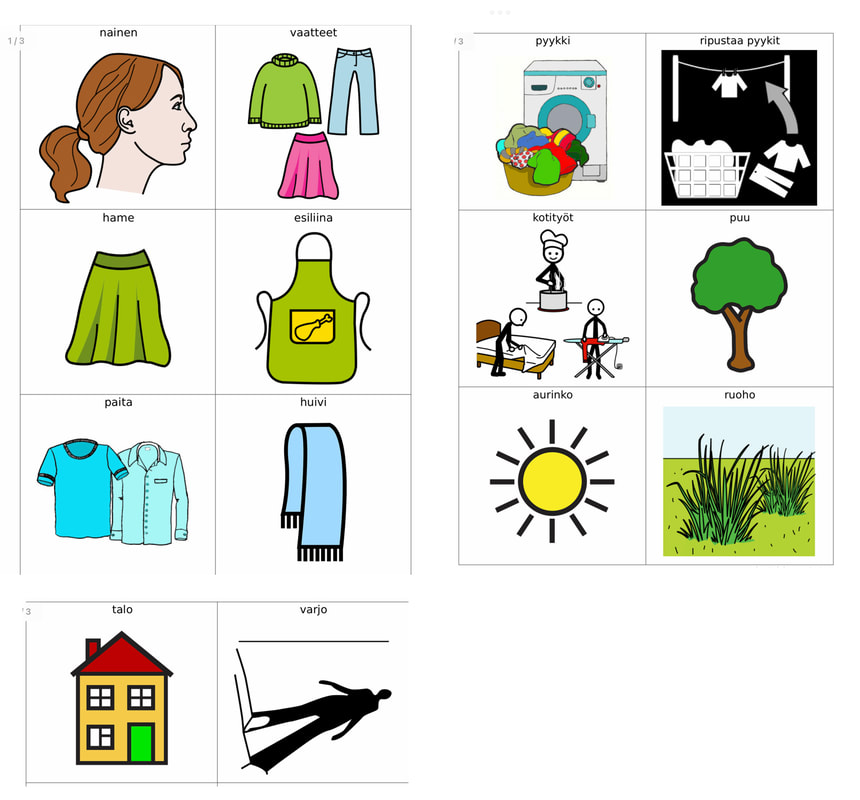
PICTURE ART - A MOMENT OF THOUGHT In advance - video & words IN ZOOM CLASS Board & words - PICTURE BOARD & Answergarden Emotional states - photos by MI My own memories EVALUATION Words Hearts |
ESIMERKKI TAIDEOPETUKSESTA
KUVATAIDE - AJATUSHETKI Etukäteen - video & sanat ZOOM-TUNNILLA Taulu & sanat - KUVATAULU & Answergarden Tunnetilat Omat muistot EVALUOINTI Sanat Sydämet |
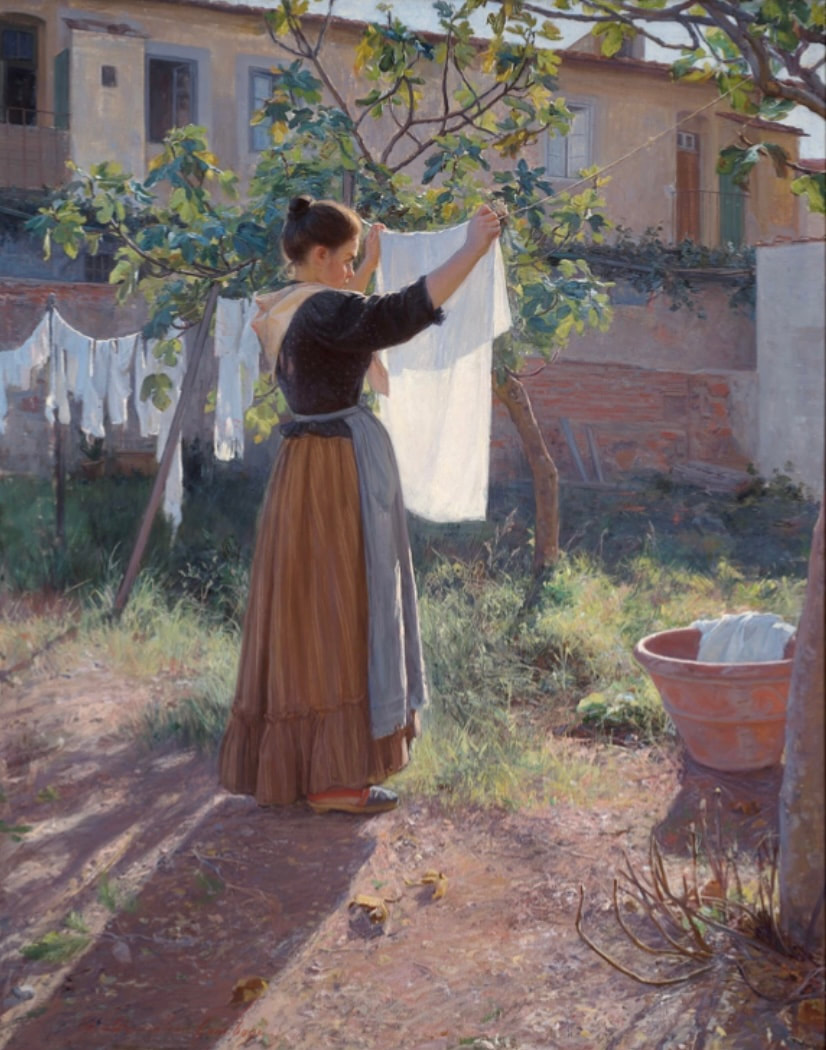
A MOMENT IN TIME
|
Poutapäivä, Elin Danielson-Gambogi (1861–1919)
|
IN ADVANCE: VIDEO & WORDS
SPEAKING OF PAINTING: WORD BOARD & FEELINGS


EVALUATION


|
AN EXAMPLE OF HISTORY TEACHING
In advance - video & words IN ZOOM CLASS Board & words - PICTURE BOARD & Answergarden Emotional states - photos by MI My own memories EVALUATION Words Hearts |
ESIMERKKI HISTORIAOPETUKSESTA
Etukäteen - video & sanat ZOOM-TUNNILLA Taulu & sanat - KUVATAULU & Answergarden Tunnetilat Omat muistot EVALUOINTI Sanat Sydämet |
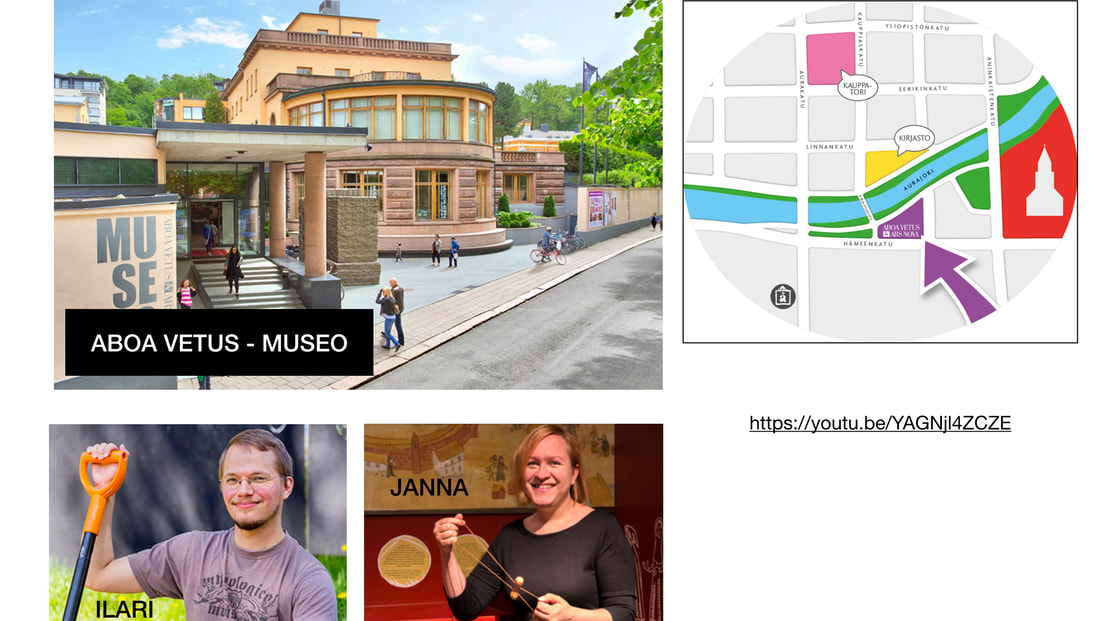
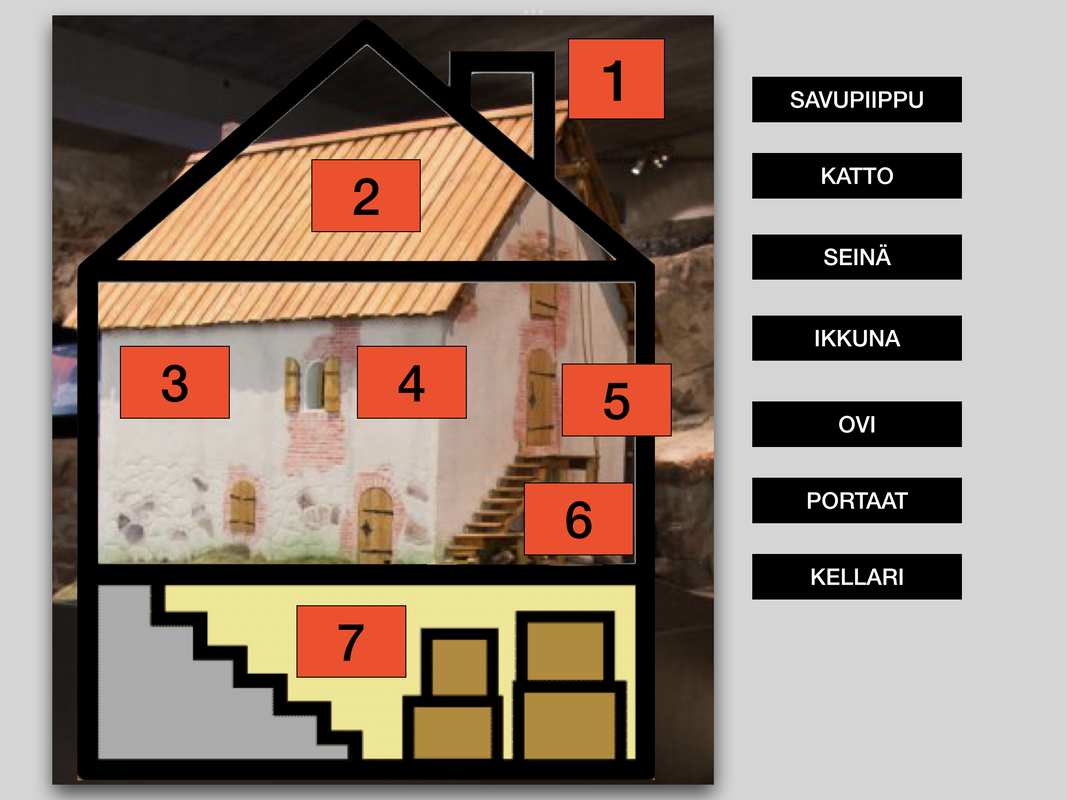
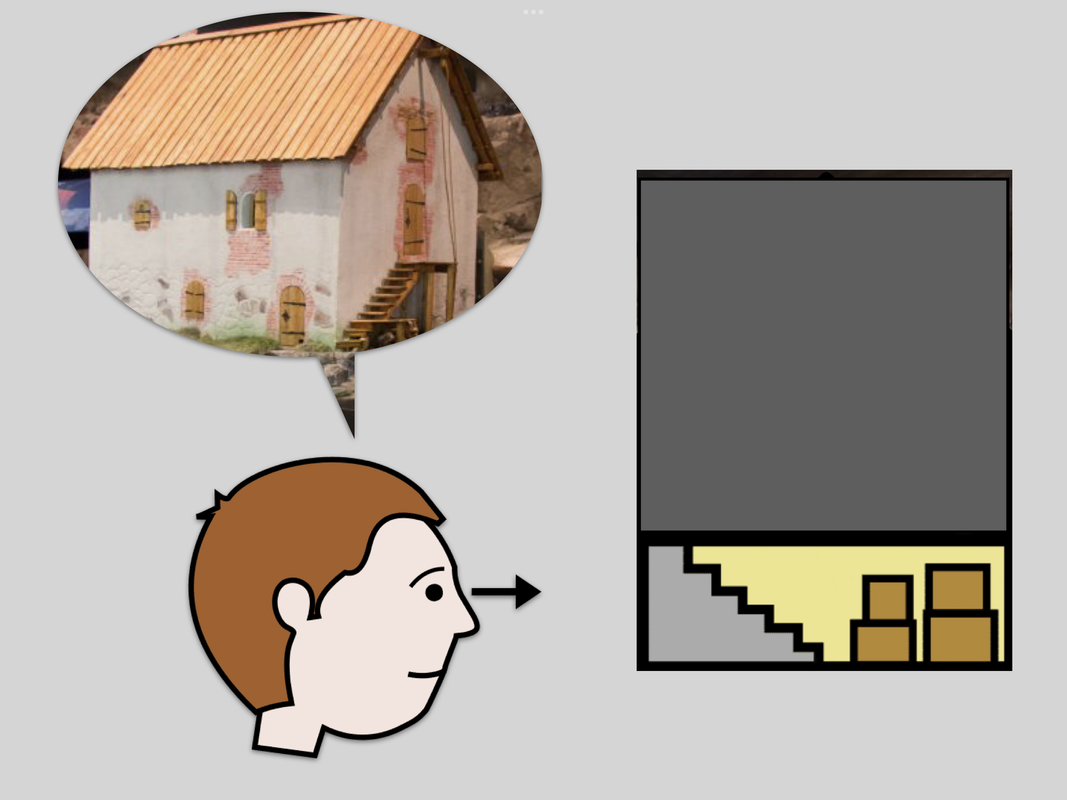
ABOA VETUS - MUSEUM - MEDIEVAL TURKU
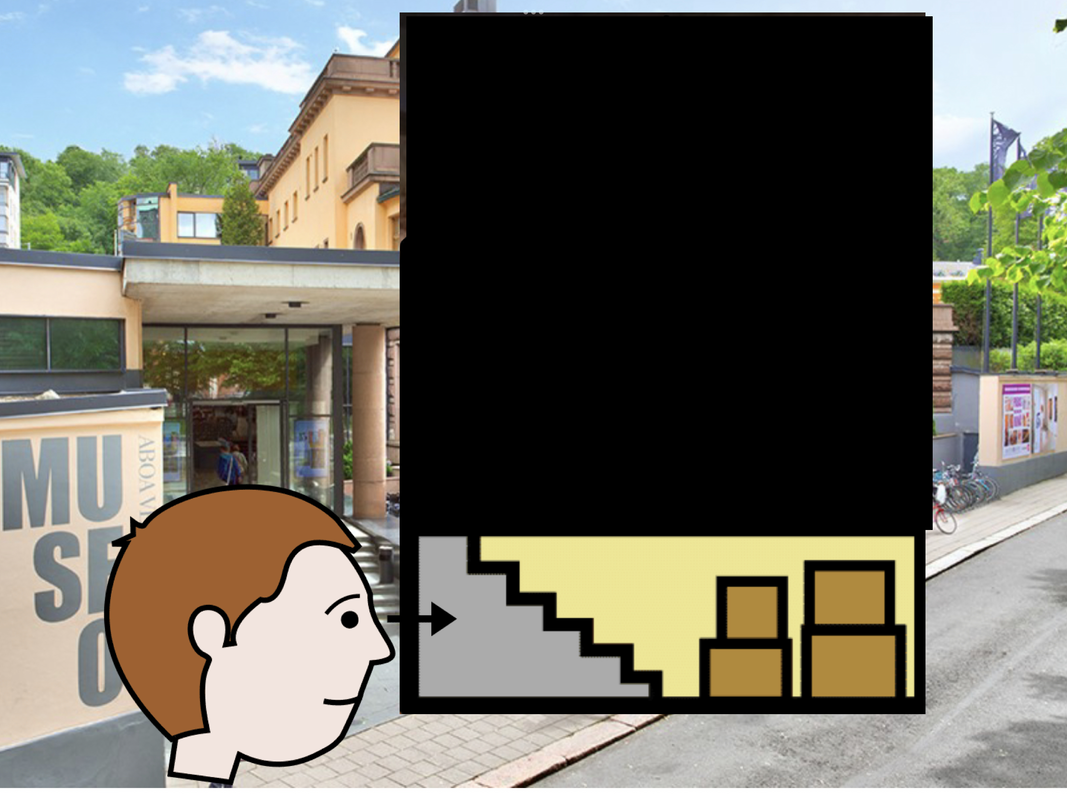
SANAT
|
SAVUPIIPPU
KATTO SEINÄ IKKUNA OVI PORTAAT KELLARI |
|
ABC- LANGUAGE TRAINING - pdf
FORWARD TOGETHER - CO-OPERATION - pdf
TURKU WOMEN'S CENTER SOCIAL MEDIA CHANNELS:
TURKU WOMEN'S CENTER/
METHODS USED IN TEACHING:
SOCIAL PEDAGOGICAL WORK
PHENOMENAL LEARNING
FLIPPED CLASSROOM
DEVELOPMENT OF METHODS / REPORTS
KIKU report
Democratic Heritage
METHODS USED IN TEACHING:
SOCIAL PEDAGOGICAL WORK
PHENOMENAL LEARNING
FLIPPED CLASSROOM
DEVELOPMENT OF METHODS / REPORTS
KIKU report
Democratic Heritage
SOCIAL PEDAGOGICAL GUIDANCE

|

|
PHENOMENA BASED LEARNING & FLIPPED CLASS ROOM

|

|
TURKU WOMEN’S CENTRE - GUIDANCE & TEACHING
In recent years, most of the education offered by Turku Women’s Centre has been offered completely online or as hybrid education, partly due to the constrictions of their situation, partly due to the opportunities provided by the virtual alternatives.
Some of the methods have been utilised on certain more advanced online courses focusing on cultural inclusion, as well as courses directed towards Ukrainian refugees. Examples of the online-based tools used on these courses include quiz tools (Quizlet), translation tools (e.g. Google Translate for translating websites), Facebook, Zoom, and the websites built for specific courses.
In practice, hybrid execution has meant for example meeting online to revise vocabulary before a visit to a museum or another cultural event, and promotion of active participation and thinking, for example through questions pertaining to the visit and democratic themes. During the visit, participants have been able to use an online picture glossary, which helps to connect the vocabulary of the methods used during the visit to pictures both in Finnish and in English.
If necessary, the students used screen reading applications to translate the picture glossaries to their own native tongue. Thus, proper participation in both the cultural visit and education has also been made possible for the students with low literacy skills. Learning to use the translation programmes is a part of the teaching plan for each course.
The basis for the teaching plan is a phenomenon-based approach. The phenomena chosen for the courses have been to strengthen active citizenship and the democratic competencies of the immigrants while helping them learn the Finnish language. Multidisciplinary and methodological approaches, as well as the students’ active impact on the contents of the lessons, are basis for phenomenon-based learning. The chosen theme or phenomenon has been observed through different themes stemming from everyday life. Different learning techniques, such as music, crafts, conversation exercises, museum visits, and picture glossaries are used to approach the phenomenon.
The strong point of the phenomenon-based approach is that even complicated issues can be addressed by people with very low language skills. This is why phenomenon-based approach is an excellent tool for addressing the themes pertaining to democracy and society. Students are more likely to remember the content they learn when the new things learned are connected to something concrete, interesting and/or relevant to their everyday life, and then observed from multiple viewpoints.
When creating a teaching plan, the different phenomena for the lessons are chosen through discussions among the teacher cohort one course at a time. A subject is studied during each lesson, and in some cases, the same theme can be addressed during multiple lessons. The phenomenon is approached from as many angles as possible using videos, sound, listening exercises, reading, and dialogue practice as stimuli. Students are encouraged to be active and act independently. Addressing a phenomenon always starts with a discussion on what it brings to mind for the students, and ends with a discussion on what new things they learned about the phenomenon.
Flipped classroom methodology acts as another starting point for education. This has been found to be very effective at beginner level language teaching. In a nutshell, flipped classroom means that the words on the theme will begiven beforehand, thus making the subject of the lesson already familiar. This procedure helps to level the opportunities to students coming from different backgrounds when taking part in teaching and culture visits. This helps students to maximize their gains from the teaching. It can also be helpful to map out the learning requirements, hopes, and motivations regarding each subject. Using gamification and different online solutions before a museum visit or addressing a phenomenon, the students have been asked to dive into the vocabulary pertaining to the subject, or consider their own expectations of the subject. The online tools have also been used to share videos on how to get to the location of the visit, and how to act accordingly when visiting. Many of the courses have a forum for the students to use (a Facebook group or a website) where they can have discussions and do exercises outside of the course meetings. Work given beforehand would also work as material for self-learning, but the teacher and the group have an important role in encouraging practice and participation.
Info box: Collaboration supports
In a fashion typical for small organisations, Turku Women’s Centre and Learning Centre Visio have worked together with multiple actors within the Democratic Heritage project. Collaboration is a requirement for the effectiveness of the project. Working widely together with planning, teaching and grading makes it possible to spread methods found well-functioning in a profitable and compact fashion among organisations and networks.
One of the pivotal collaborators for teaching and evaluating methods has been Turku City Library; training for testing the contents of the project has been built around the library’s event schedule. Educational events have been organised at the main city library as well as at a satellite library in Kaarina. The content with democratic themes has for the most part been tied together with the services offered by the library: information and culture has been made available through the library collections and events, and phenomenon-based language learning has benefited from the spaces and collection within the library.
There has also been collaboration with local cultural operatives. Democratic themes and language learning have been combined with visits to the Turku Art Museum, Aboa Vetus, modern art museum Wäinö Aaltonen, Forum Marinum and the Pharmacy Museum. The plain language culture exercise maps provided by the leisure services department of the City of Turku have helped the groups of students, when they have walked around the cityscape to study statues and memorials.
The techniques and themes of this project were adopted for use during the school year 2021-2022 in four groups, totalling at some tens of students at varying levels of Finnish. All of the groups consisted of adults with immigrant backgrounds. One beginner group had been meeting up once a month for a year, with some of the meetings being held online and some of them in person as culture visits. The second group was entirely online, and met up once a week. The third group consisted of advanced and motivated students, who had been part of the educational activities of Turku Women’s Centre for a longer period of time. With these students, the focus was on deepening the language skills and cultural understanding. The fourth group included intensive online courses aimed towards Ukrainian refugees. There were five of these courses between May and July 2022 with 120 students altogether.
Examples of best practices for including democracy and cultural themes in the language learning for adult migrant learners
Statues and memorials
In this collection of exercises, learners study memorials and find new meanings from their own living environment. The handling of the art and memorials of the phenomenon, i.e., cityscape, can be expanded for example by designing your own memorial. This method was originally designed as a part of the Kotokulmat (“My Hoods”) material (2020) and Turku Women’s Centre has used and developed it for their own courses.
Description of the collection of exercises:
Pre-learning/homework: Learners study the pictures of different statues and memorials collected by the teacher. Students discuss or write down their own thoughts on what is a memorial.
During the trip: The group goes out looking for memorials from the everyday environment. They study the memorials and statues from near and afar, take photos and document them in other ways.
During the first lesson: Group discussion on what are memorials and why they are erected. What do the learners think of the memorials? This is followed by a study of the photographs and other documentation of the memorials the group found together, and a few words describing the memorials are written down: the size, material, location, own feelings or conception of the memorial? Here the learners can use a collage method or a mind map, i.e., a picture of the statue can be printed on the blackboard or in the middle of a large piece of paper, and around the picture the group collects words, newspaper clippings or other materials describing the statue. In the end, the group research online together why the memorial has been erected and has a discussion on whether the memorial and its subject are good / important / interesting. During the second lesson: Learners choose a subject important to them and design a memorial for it. They draw, paint, or use other craft methods to create their memorial, and come up with a name and a location for it.
Everyman’s rights as a phenomenon
Addressing everyman’s rights as a phenomenon during teaching sheds light on Finnish culture and relationship to nature, as well as on the structures of the society and its values. Understanding and internalising these improve the quality of life when living in Finland and give the learners new opportunities.
Description of the collection of exercises:
Pre-learning: vocabulary concerning everyman’s rights.
During the lesson: Video material on everyman’s rights, in Finnish for example the music video on everyman’s rights produced by Finnish Forest Centre (a tip: subtitled YouTube videos are relatively easy to translate to multiple languages with a translation programme, which makes it possible to participate even with a lower language proficiency level). A quiz or an exercise about what you are allowed and not allowed to do according to the everyman’s rights.
Reciprocity and language-conscious and culturally sensitive teaching
Migrant adults already possess a lot of information, both about their own lives and the world, but also about Finland. Thus, it is imperative to listen to the learners when teaching, also when talking about a phenomenon pertaining to Finnishness or Finland. The students control the contents of the teaching, and the teacher reacts.
A language-conscious and culturally sensitive approach can mean that the stiff notions of social integration are shaken. It is important to dare to question if it is sensible for every student to invest primarily in learning Finnish at this moment. Or would it open more doors for the learner at this point in their life to practice translating websites to a language more familiar their own, and the use of a mobile phone camera when translating printed texts?
It is important to consider the importance of Finnish language for the students through conversations with the students. It is useful to come up with personal options for accessing information and cultural capital available in society. This helps to remove the obstacles on the way to finding information, and through this encourages active participation and free thinking. This is exceptionally important among the learners with low language and basic skills, and is also a current question in regard to Ukrainian refugees due to the uncertainty and temporary nature of war.
The basis for the teaching plan is a phenomenon-based approach. The phenomena chosen for the courses have been to strengthen active citizenship and the democratic competencies of the immigrants while helping them learn the Finnish language. Multidisciplinary and methodological approaches, as well as the students’ active impact on the contents of the lessons, are basis for phenomenon-based learning. The chosen theme or phenomenon has been observed through different themes stemming from everyday life. Different learning techniques, such as music, crafts, conversation exercises, museum visits, and picture glossaries are used to approach the phenomenon.
The strong point of the phenomenon-based approach is that even complicated issues can be addressed by people with very low language skills. This is why phenomenon-based approach is an excellent tool for addressing the themes pertaining to democracy and society. Students are more likely to remember the content they learn when the new things learned are connected to something concrete, interesting and/or relevant to their everyday life, and then observed from multiple viewpoints.
When creating a teaching plan, the different phenomena for the lessons are chosen through discussions among the teacher cohort one course at a time. A subject is studied during each lesson, and in some cases, the same theme can be addressed during multiple lessons. The phenomenon is approached from as many angles as possible using videos, sound, listening exercises, reading, and dialogue practice as stimuli. Students are encouraged to be active and act independently. Addressing a phenomenon always starts with a discussion on what it brings to mind for the students, and ends with a discussion on what new things they learned about the phenomenon.
Flipped classroom methodology acts as another starting point for education. This has been found to be very effective at beginner level language teaching. In a nutshell, flipped classroom means that the words on the theme will begiven beforehand, thus making the subject of the lesson already familiar. This procedure helps to level the opportunities to students coming from different backgrounds when taking part in teaching and culture visits. This helps students to maximize their gains from the teaching. It can also be helpful to map out the learning requirements, hopes, and motivations regarding each subject. Using gamification and different online solutions before a museum visit or addressing a phenomenon, the students have been asked to dive into the vocabulary pertaining to the subject, or consider their own expectations of the subject. The online tools have also been used to share videos on how to get to the location of the visit, and how to act accordingly when visiting. Many of the courses have a forum for the students to use (a Facebook group or a website) where they can have discussions and do exercises outside of the course meetings. Work given beforehand would also work as material for self-learning, but the teacher and the group have an important role in encouraging practice and participation.
Info box: Collaboration supports
In a fashion typical for small organisations, Turku Women’s Centre and Learning Centre Visio have worked together with multiple actors within the Democratic Heritage project. Collaboration is a requirement for the effectiveness of the project. Working widely together with planning, teaching and grading makes it possible to spread methods found well-functioning in a profitable and compact fashion among organisations and networks.
One of the pivotal collaborators for teaching and evaluating methods has been Turku City Library; training for testing the contents of the project has been built around the library’s event schedule. Educational events have been organised at the main city library as well as at a satellite library in Kaarina. The content with democratic themes has for the most part been tied together with the services offered by the library: information and culture has been made available through the library collections and events, and phenomenon-based language learning has benefited from the spaces and collection within the library.
There has also been collaboration with local cultural operatives. Democratic themes and language learning have been combined with visits to the Turku Art Museum, Aboa Vetus, modern art museum Wäinö Aaltonen, Forum Marinum and the Pharmacy Museum. The plain language culture exercise maps provided by the leisure services department of the City of Turku have helped the groups of students, when they have walked around the cityscape to study statues and memorials.
The techniques and themes of this project were adopted for use during the school year 2021-2022 in four groups, totalling at some tens of students at varying levels of Finnish. All of the groups consisted of adults with immigrant backgrounds. One beginner group had been meeting up once a month for a year, with some of the meetings being held online and some of them in person as culture visits. The second group was entirely online, and met up once a week. The third group consisted of advanced and motivated students, who had been part of the educational activities of Turku Women’s Centre for a longer period of time. With these students, the focus was on deepening the language skills and cultural understanding. The fourth group included intensive online courses aimed towards Ukrainian refugees. There were five of these courses between May and July 2022 with 120 students altogether.
Examples of best practices for including democracy and cultural themes in the language learning for adult migrant learners
Statues and memorials
In this collection of exercises, learners study memorials and find new meanings from their own living environment. The handling of the art and memorials of the phenomenon, i.e., cityscape, can be expanded for example by designing your own memorial. This method was originally designed as a part of the Kotokulmat (“My Hoods”) material (2020) and Turku Women’s Centre has used and developed it for their own courses.
Description of the collection of exercises:
Pre-learning/homework: Learners study the pictures of different statues and memorials collected by the teacher. Students discuss or write down their own thoughts on what is a memorial.
During the trip: The group goes out looking for memorials from the everyday environment. They study the memorials and statues from near and afar, take photos and document them in other ways.
During the first lesson: Group discussion on what are memorials and why they are erected. What do the learners think of the memorials? This is followed by a study of the photographs and other documentation of the memorials the group found together, and a few words describing the memorials are written down: the size, material, location, own feelings or conception of the memorial? Here the learners can use a collage method or a mind map, i.e., a picture of the statue can be printed on the blackboard or in the middle of a large piece of paper, and around the picture the group collects words, newspaper clippings or other materials describing the statue. In the end, the group research online together why the memorial has been erected and has a discussion on whether the memorial and its subject are good / important / interesting. During the second lesson: Learners choose a subject important to them and design a memorial for it. They draw, paint, or use other craft methods to create their memorial, and come up with a name and a location for it.
Everyman’s rights as a phenomenon
Addressing everyman’s rights as a phenomenon during teaching sheds light on Finnish culture and relationship to nature, as well as on the structures of the society and its values. Understanding and internalising these improve the quality of life when living in Finland and give the learners new opportunities.
Description of the collection of exercises:
Pre-learning: vocabulary concerning everyman’s rights.
During the lesson: Video material on everyman’s rights, in Finnish for example the music video on everyman’s rights produced by Finnish Forest Centre (a tip: subtitled YouTube videos are relatively easy to translate to multiple languages with a translation programme, which makes it possible to participate even with a lower language proficiency level). A quiz or an exercise about what you are allowed and not allowed to do according to the everyman’s rights.
Reciprocity and language-conscious and culturally sensitive teaching
Migrant adults already possess a lot of information, both about their own lives and the world, but also about Finland. Thus, it is imperative to listen to the learners when teaching, also when talking about a phenomenon pertaining to Finnishness or Finland. The students control the contents of the teaching, and the teacher reacts.
A language-conscious and culturally sensitive approach can mean that the stiff notions of social integration are shaken. It is important to dare to question if it is sensible for every student to invest primarily in learning Finnish at this moment. Or would it open more doors for the learner at this point in their life to practice translating websites to a language more familiar their own, and the use of a mobile phone camera when translating printed texts?
It is important to consider the importance of Finnish language for the students through conversations with the students. It is useful to come up with personal options for accessing information and cultural capital available in society. This helps to remove the obstacles on the way to finding information, and through this encourages active participation and free thinking. This is exceptionally important among the learners with low language and basic skills, and is also a current question in regard to Ukrainian refugees due to the uncertainty and temporary nature of war.
HUGO SIMBERG